When homeowners think about foundation maintenance, they often focus on visible warning signs such as wall cracks, uneven floors, sticking doors, or moisture problems inside the home. However, one of the most valuable areas for detecting foundation-related issues is often overlooked: the crawl space. Hidden beneath the living areas of many homes, crawl spaces provide direct access to critical structural components and can reveal early signs of problems long before they become visible elsewhere. Regular crawl space inspections are rarely discussed outside of construction and foundation repair circles, yet they can play a significant role in protecting a home's structural integrity and preventing expensive repairs.
Early Detection of Moisture Problems
One of the greatest benefits of routine crawl space inspections is the ability to identify moisture issues before they affect the foundation. Crawl spaces are particularly vulnerable to water intrusion caused by poor drainage, plumbing leaks, groundwater seepage, and inadequate ventilation. Excess moisture can gradually weaken support structures, encourage wood rot, and contribute to soil movement beneath the home. During inspections, professionals can evaluate humidity levels, identify standing water, and assess the effectiveness of vapor barriers and drainage systems. Addressing these concerns early helps protect the foundation from long-term damage while reducing the likelihood of costly structural repairs in the future.
Monitoring Structural Components
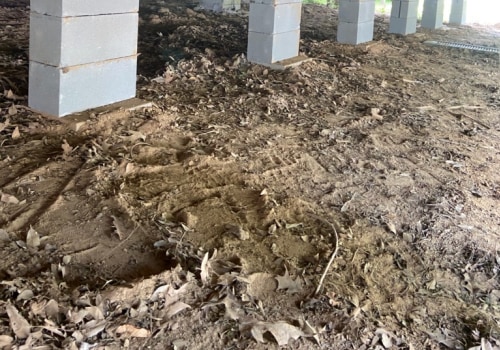
Crawl spaces also provide direct access to many of the structural elements that support a home. Support beams, floor joists, piers, and foundation walls can all be inspected for signs of deterioration, movement, or damage. Small structural issues often develop gradually and may go unnoticed until they begin affecting the interior of the home. Regular inspections allow professionals to identify shifting supports, sagging components, or weakening materials before they create larger problems. This proactive approach enables homeowners to make repairs while issues are still manageable and less expensive to address.
Identifying Pest-Related Threats
Another often-overlooked advantage of crawl space inspections is pest detection. Termites, rodents, and other pests frequently target crawl spaces because they provide shelter, moisture, and access to wooden structural components. Left unchecked, infestations can compromise structural stability and contribute to foundation-related concerns. Routine inspections help identify signs of pest activity early, allowing homeowners to take corrective action before significant damage occurs. Protecting structural materials from pest-related deterioration is an important aspect of maintaining long-term foundation health.
Improving Indoor Air Quality and Energy Efficiency
The condition of a crawl space can affect much more than the structure itself. Moisture, mold growth, and poor ventilation beneath a home can negatively impact indoor air quality. In many homes, air from the crawl space naturally circulates upward into living areas, carrying humidity and airborne contaminants with it. Crawl space inspections help identify environmental conditions that may affect comfort and energy efficiency. By addressing insulation deficiencies, ventilation concerns, and moisture problems, homeowners can improve both foundation performance and overall living conditions.
Supporting Preventive Home Maintenance Strategies
Many home service professionals encourage regular inspections because they align with a preventive approach to property maintenance. Companies such as Terry Brodnik Group - Contracting and Home Services understand that identifying issues early is often far less expensive than waiting for visible damage to appear. Crawl space evaluations provide valuable information about the condition of a home's foundation, structural supports, and environmental systems. This information allows homeowners to prioritize maintenance efforts and make informed decisions about future repairs or improvements.
Protecting Long-Term Foundation Stability
Ultimately, regular crawl space inspections offer benefits that extend far beyond the crawl space itself. They provide early warning signs of moisture intrusion, structural movement, pest activity, and environmental concerns that could affect foundation health over time. By incorporating crawl space inspections into a routine maintenance plan, homeowners gain an opportunity to address small issues before they become major structural problems. This proactive approach helps preserve the stability, safety, and value of the home while supporting the long-term performance of its foundation.