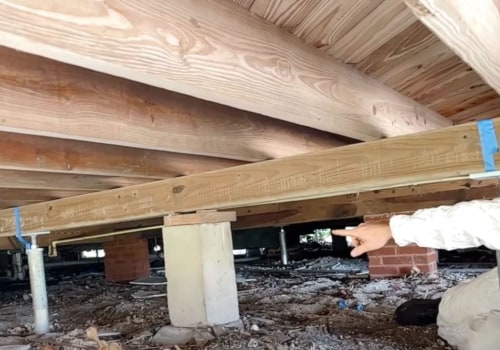
Pier and beam foundations are a common structural system designed to elevate a home above ground level, creating a crawl space beneath the structure. This design offers advantages such as improved ventilation, easier access to utilities, and adaptability to shifting soil conditions. However, because the home is supported by piers and beams rather than a solid slab, utility systems like plumbing, electrical wiring, and HVAC components are more exposed and require careful planning. The interaction between these systems and the foundation plays a significant role in the home’s overall stability and performance.
The Role of Plumbing in Foundation Health
Plumbing systems are one of the most influential factors in maintaining the integrity of a pier and beam foundation. Since pipes are typically routed through the crawl space, they are more susceptible to leaks, temperature changes, and wear. A leaking pipe can introduce excess moisture into the soil, causing it to shift and potentially destabilize the piers. Proper installation, insulation, and regular inspections help prevent these issues. Maintaining plumbing systems ensures that moisture levels remain balanced, supporting the long-term stability of the foundation.
Electrical Systems and Accessibility
Electrical systems also play an important role in pier and beam homes, particularly due to their accessibility within the crawl space. Wiring must be carefully installed to avoid interference with structural components and to ensure safety. Working with a qualified local electrician ensures that all electrical connections are properly secured and compliant with safety standards. Proper routing and protection of wiring reduce the risk of damage from environmental factors and help maintain reliable power throughout the home.
HVAC Systems and Moisture Control
HVAC systems contribute to the interaction between utilities and the foundation by regulating temperature and humidity levels. In pier and beam homes, maintaining proper airflow in the crawl space is essential for preventing moisture buildup. Excess humidity can lead to mold growth, wood rot, and deterioration of structural components. Properly installed and maintained HVAC systems help control these conditions, protecting both the foundation and the utility systems within it.
Preventing Structural Issues Through Coordination
The coordination of utility systems is essential for preventing structural issues in pier and beam foundations. Poorly installed or maintained utilities can lead to problems such as soil erosion, uneven settling, or damage to support beams. By ensuring that plumbing, electrical, and HVAC systems are properly integrated and maintained, homeowners can reduce the risk of these issues. Professional planning and installation help create a balanced system that supports both functionality and structural integrity.
Supporting Maintenance and Long-Term Performance
One of the advantages of pier and beam foundations is the ease of access to utility systems, which simplifies maintenance and repairs. Regular inspections allow homeowners to identify and address issues before they become significant problems. This proactive approach helps extend the lifespan of both the foundation and the utility systems, ensuring that the home remains stable and functional over time.
Creating a Stable and Efficient Home Environment
Ultimately, the interaction between utility systems and pier and beam foundations is a key factor in the overall performance of a home. By carefully planning, installing, and maintaining these systems, homeowners can create a stable and efficient environment that supports long-term durability. This integrated approach highlights the importance of considering all aspects of home infrastructure when aiming for reliability and comfort.