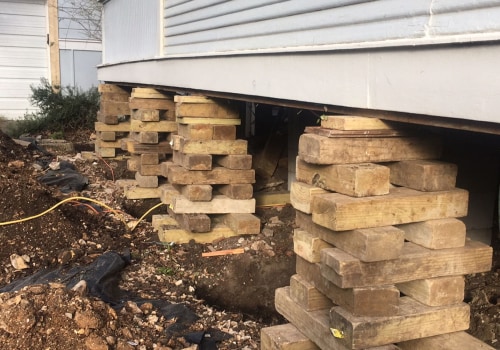
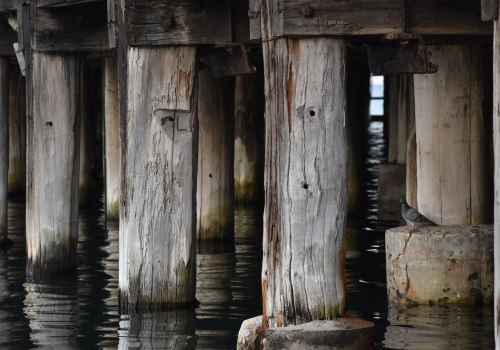
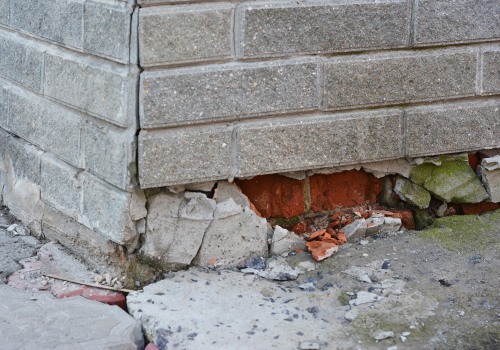
Pier and beam foundations are common in many older homes and regions with shifting soil, offering advantages like crawlspace access and flexibility. However, these foundations are also more susceptible to movement over time due to moisture changes, soil erosion, or aging materials. When homeowners are preparing for a move, unresolved pier and beam issues can quickly turn into a source of costly delays. Uneven floors, sagging beams, or compromised piers may raise red flags during inspections or interfere with moving logistics if not addressed early.
How Foundation Issues Can Delay a Move
Moving delays often occur when foundation problems are discovered late in the process. Buyers may request repairs after inspections, lenders may require structural corrections before closing, or moving companies may face access challenges if floors and entry points are unstable. In some cases, repair crews need unobstructed access beneath the home, which is difficult once furniture is packed or trucks are scheduled. These situations can push back closing dates and force movers to reschedule, adding stress and expense.
Planning Repairs Before Setting Moving Dates
The most effective way to avoid delays is to plan pier and beam foundation repairs well before finalizing moving dates. Early inspections allow homeowners to understand the scope of work and schedule repairs without pressure. Foundation repair often involves leveling floors, replacing or reinforcing beams, adjusting piers, and correcting drainage issues. These tasks require time, curing periods, and follow-up checks. Addressing them in advance keeps the moving timeline intact and prevents last-minute surprises.
Coordinating Repairs With Moving Logistics
Foundation repair and moving logistics must be carefully coordinated to avoid conflict. Repair crews typically need clear access to the crawlspace and may require temporary removal of obstacles or adjustments to landscaping. Scheduling repairs before packing begins ensures workers can move freely and complete the job efficiently. Once repairs are finished, movers can operate on stable, level surfaces, reducing the risk of damage to belongings or injury. Clear communication between contractors and movers—especially when working with experienced teams like Mountain Movers—helps align schedules and expectations.
Financial Implications of Delays
Delays caused by foundation repairs can have ripple effects on finances. Extended storage fees, rescheduled moving services, temporary housing, and renegotiated contracts all add up quickly. In contrast, completing pier and beam repairs proactively allows homeowners to control costs and avoid emergency pricing. While foundation repair represents an upfront investment, it often prevents far more expensive disruptions later in the process.
Buyer Confidence and Transaction Speed
For those selling a home, completed pier and beam repairs can significantly improve buyer confidence. Structural stability reassures buyers and reduces the likelihood of drawn-out negotiations or repair credits. Homes with documented repairs and warranties often move through escrow faster because fewer uncertainties remain. This predictability helps sellers plan their own move with greater accuracy and less stress.
Managing Expectations and Timelines
Pier and beam repairs are rarely instant. Depending on severity, work can take days or weeks, followed by inspections or adjustments. Understanding this timeline helps homeowners set realistic moving dates. Building buffer time into the schedule provides flexibility if unexpected issues arise, such as weather delays or additional structural findings. Patience during this phase often pays off with a smoother overall move.
Protecting Belongings and Safety
A stabilized foundation benefits not only the transaction timeline but also safety during the move itself. Level floors and secure supports make it easier to move heavy furniture, appliances, and boxes without accidents. This reduces the risk of damage to items and the home, protecting both financial and personal well-being during an already demanding transition.
Planning Ahead for a Smoother Transition
Pier and beam foundation repair doesn’t have to derail a move, but ignoring it often will. By identifying issues early, scheduling repairs strategically, and coordinating with moving logistics, homeowners can avoid unnecessary delays. Planning ahead turns a potential obstacle into a manageable step, ensuring the move proceeds on schedule and with confidence.