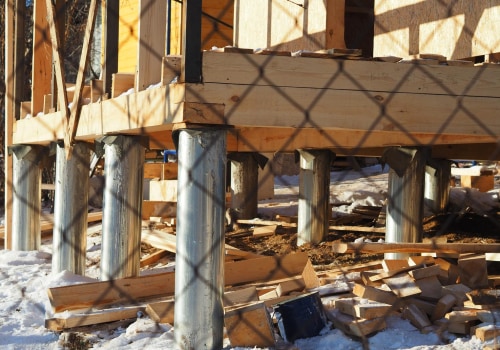
Uneven or sagging floors can be a noticeable sign that something beneath the home is no longer providing consistent support. In pier and beam foundations, the floor system is elevated above the ground and supported by a network of beams, joists, piers, and other structural components. Over time, movement in the soil, moisture exposure, weakened wood, settling supports, or shifting piers can cause portions of the floor to dip or feel unstable. While minor variations may develop naturally in older homes, more obvious slopes, soft areas, or bouncing floors should be evaluated to determine whether foundation-related repairs are needed.
Inspecting the Support System
The first step in addressing sagging floors is identifying which part of the foundation system is contributing to the problem. A professional inspection may include checking piers for movement, beams for deterioration, joists for damage, and crawl space conditions for signs of moisture or inadequate support. In some cases, the issue may be limited to one weakened component, while in others several areas may need attention. Professionals such as Bats Foundation Repair can evaluate the condition of the pier and beam system and help determine which repair approach may be appropriate for the structure.
Adjusting or Reinforcing Existing Piers
When piers have settled or shifted, they may no longer provide even support to the beams above them. One possible repair approach involves adjusting or stabilizing existing supports to improve the distribution of weight beneath the house. In some situations, additional piers may be installed where the structure needs more support. The goal is generally to reduce excessive movement and create a more consistent foundation system rather than simply covering up uneven flooring from above.
Strengthening Beams and Floor Joists
Sagging floors may also be connected to weakened beams or joists. Wood components can deteriorate because of moisture, age, insect damage, or prolonged stress. Depending on the condition of the material, damaged sections may need reinforcement or replacement. Sistering joists, adding support beams, or installing supplemental framing can help strengthen areas that are no longer performing as intended. These repairs should be planned carefully so that new supports work together with the existing foundation instead of creating uneven pressure elsewhere.
Managing Moisture in the Crawl Space
Moisture can play a major role in pier and beam foundation problems. Poor drainage, plumbing leaks, standing water, or high crawl space humidity may cause wood components to weaken and soil beneath supports to change. Before structural repairs are completed, the source of excess moisture should be identified and corrected when possible. Improving drainage, repairing leaks, or addressing crawl space moisture can help protect newly repaired components and reduce the chance of recurring problems.
Leveling Floors Gradually and Carefully
Correcting uneven floors often requires controlled adjustments rather than sudden lifting. Raising a sagging section too quickly can place stress on walls, plumbing, doors, windows, and interior finishes. Foundation professionals may make gradual adjustments while monitoring how the structure responds. Some cracks or alignment changes may still need cosmetic repairs afterward, but careful leveling can reduce unnecessary strain on the home.
Creating a More Stable Floor System
Pier and beam foundation repair is most effective when it addresses the underlying cause of uneven or sagging floors rather than focusing only on the visible surface. By inspecting piers, reinforcing structural components, managing moisture, and improving support where needed, homeowners can create a more stable floor system. Early evaluation can also help prevent localized movement from affecting larger areas of the home and provide a clearer plan for maintaining long-term structural performance.