Commercial building maintenance begins long before interior finishes, landscaping, or equipment upgrades—it starts with the foundation and the overall cleanliness of the property. These two elements form the structural and visual backbone of any commercial space. The foundation supports the entire building, while cleanliness controls how that building is perceived by tenants, employees, and visitors. Neglect in either area can lead to accelerated deterioration, safety risks, and a damaged professional image. Proactive maintenance that prioritizes structural stability and consistent cleanliness sets the tone for every other system and service that follows.
Protecting the Foundation from Hidden Threats
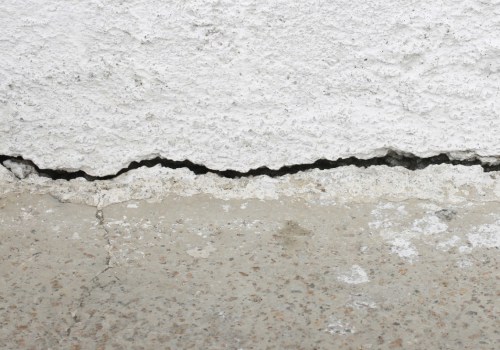
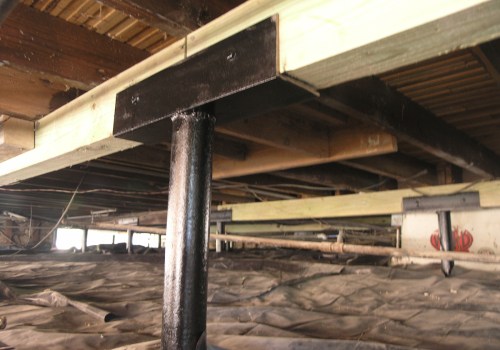
The foundation of a commercial building faces constant stress from soil movement, water infiltration, temperature changes, and daily vibration from traffic and equipment. Cracks, settling, and moisture intrusion may not always be visible at ground level but can quietly compromise the stability of the entire structure. Regular inspections help identify early warning signs such as hairline fractures, uneven flooring, sticking doors, or pooling water near exterior walls. Proper drainage systems, clear grading, and sealed expansion joints all work together to protect the foundation from long-term damage. When these protective measures are ignored, foundation repairs can quickly become one of the most expensive maintenance failures a building owner can face.
Cleanliness as a Structural Preservation Tool
Cleanliness is often viewed as a cosmetic priority, but in commercial maintenance it plays a critical structural role as well. Dirt, mold, mildew, and chemical residues do more than look unsightly—they actively break down materials over time. Exterior surfaces collect pollutants, moisture, and organic growth that weaken concrete, stone, siding, and sealants. Interior spaces accumulate dust, bacteria, and debris that damage flooring, walls, and ventilation systems. Professional cleaning services such as Freedom Cleaning Orlando operate within this essential layer of protection by removing harmful buildup before it can degrade structural surfaces or create long-term health risks inside the building.
The Safety and Compliance Connection
Foundation integrity and cleanliness are also deeply tied to safety and regulatory compliance. Crumbling concrete, uneven walkways, and moisture-damaged surfaces present serious slip, trip, and fall hazards. Likewise, poor cleanliness can violate health codes, especially in medical, hospitality, food service, and educational facilities. Inspectors often evaluate cleanliness as an indicator of how well a building is being maintained overall. A neglected environment can lead to failed inspections, fines, insurance complications, and liability exposure. By maintaining a stable foundation and clean, hazard-free surfaces, building owners demonstrate due diligence and reduce legal and operational risks.
Tenant Satisfaction and Professional Image
From a business standpoint, few factors influence tenant satisfaction and brand perception more directly than cleanliness and visible building condition. Clients and customers form lasting opinions within moments of entering a commercial property. Smudged glass, stained walkways, grime-covered exteriors, or odors immediately erode trust and professionalism. Meanwhile, subtle foundation-related issues like floor shifting or misaligned doors can signal deeper maintenance neglect. Cleanliness reinforces order, reliability, and care, while solid structural presentation communicates long-term investment and safety. Together, they shape how the building—and the businesses inside it—are perceived in the marketplace.
Building Systems Depend on a Clean, Stable Environment
Every major commercial system depends on a solid, clean environment to function properly. HVAC systems circulate cleaner air when dust and debris are controlled. Electrical systems operate more safely when moisture is managed. Plumbing infrastructure benefits from surfaces free of corrosive buildup. Even parking lots, entrances, and loading areas last longer when kept clean and drainage is properly maintained. The foundation literally anchors these systems, and cleanliness preserves their performance on a daily basis. When owners neglect these two elements, other systems tend to fail faster and at greater cost.
A Smarter Starting Point for Long-Term Maintenance
Commercial building maintenance is most effective when it begins with the fundamentals. A secure foundation protects the investment itself, while consistent cleanliness preserves surfaces, supports safety, and reinforces professional credibility. Rather than viewing these tasks as basic or secondary, successful property managers treat them as the first and most important line of defense against deterioration, liability, and reputational damage. By starting with stability and sanitation, every other maintenance strategy becomes stronger, more efficient, and more sustainable over the long term.