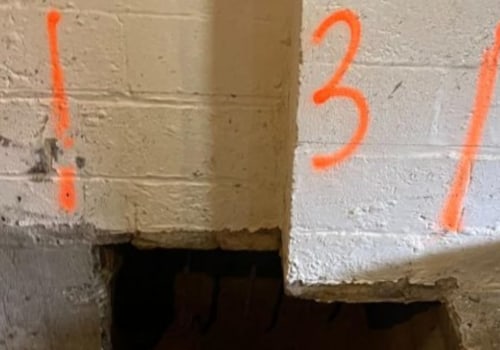
Pier and beam foundations are commonly used in areas with shifting soils, high moisture levels, or where elevation is beneficial for airflow beneath a structure. This type of foundation consists of vertical piers that support horizontal beams, creating a crawl space between the ground and the home. While this design offers accessibility and flexibility, it is particularly sensitive to moisture conditions. Understanding how moisture interacts with pier and beam foundations is essential for preventing structural damage and ensuring long-term stability.
How Moisture Enters the Crawl Space
Moisture can enter the crawl space beneath a pier and beam foundation through several pathways. Poor drainage around the home, heavy rainfall, groundwater, and plumbing leaks all contribute to excess moisture. In humid climates, moisture in the air can also condense on cooler surfaces under the home. When water accumulates in the crawl space, it creates a damp environment that affects both structural components and indoor air quality. Without proper moisture control, these conditions can persist and worsen over time.
Structural Effects of Excess Moisture
Excess moisture can significantly impact the structural integrity of pier and beam foundations. Wooden beams and joists are especially vulnerable, as prolonged exposure to moisture can lead to rot, warping, and weakening. This deterioration may cause floors to sag, become uneven, or develop noticeable soft spots. Moisture can also affect the soil supporting the piers, causing it to expand or erode. These soil changes can lead to pier movement, resulting in shifting or settling of the foundation that compromises the stability of the entire structure.
Mold, Mildew, and Indoor Air Quality
Moist environments beneath pier and beam foundations are ideal for mold and mildew growth. Mold not only damages wooden components but can also affect indoor air quality, as air from the crawl space often circulates into living areas. Poor air quality can contribute to respiratory issues and discomfort for occupants. Addressing moisture problems early helps prevent mold development and supports a healthier indoor environment. Proper ventilation, vapor barriers, and moisture management strategies are essential in reducing these risks.
Repair Challenges and Moisture Control
Repairing pier and beam foundations affected by moisture requires addressing both the damage and the underlying cause. Simply replacing rotted beams or adjusting piers without controlling moisture will result in recurring problems. Effective repairs often include improving drainage, installing vapor barriers, and enhancing ventilation within the crawl space. In some cases, integrating systems that regulate temperature and humidity can support moisture control, similar to how heat pump solutions help manage indoor climate conditions. These measures work together to create a more stable and dry environment beneath the home.
Long-Term Prevention and Maintenance
Preventing moisture-related issues in pier and beam foundations requires ongoing maintenance and proactive planning. Regular inspections help identify early signs of moisture intrusion, such as damp soil, musty odors, or visible mold. Maintaining gutters, ensuring proper grading, and repairing plumbing leaks promptly reduce the amount of water reaching the foundation. Homeowners may also consider encapsulation systems that seal the crawl space and provide controlled ventilation, offering long-term protection against moisture damage.
The Importance of Professional Assessment
Because moisture-related foundation issues can be complex, professional assessment is often necessary to determine the most effective solutions. Specialists can evaluate soil conditions, structural integrity, and moisture sources to develop targeted repair plans. Professional repairs ensure that both structural and environmental factors are addressed, reducing the likelihood of future issues.
Protecting Stability and Home Value
Moisture has a powerful impact on pier and beam foundations, influencing everything from structural stability to indoor comfort. By understanding how moisture enters, how it causes damage, and how to manage it effectively, homeowners can protect their foundations and preserve property value. Timely repairs combined with proper moisture control create a durable foundation system that supports the home for years to come, ensuring safety, comfort, and long-term peace of mind.