Pier and beam foundations have been used for decades because they provide elevated support, improve access to plumbing and utility systems, and perform well in many soil conditions. When problems develop, however, homeowners often focus only on visible symptoms such as uneven floors, sticking doors, wall cracks, or gaps around windows. While these warning signs indicate that repairs may be necessary, the underlying structural factors influencing pier and beam foundation performance are frequently overlooked. Foundation movement is rarely caused by a single issue. Instead, it is often the result of a combination of soil conditions, moisture fluctuations, aging materials, drainage problems, and changes in structural loading that gradually affect the entire support system. Understanding these hidden influences is essential for developing repair solutions that address the root cause rather than simply correcting the visible damage.
Soil Conditions and Load Distribution Matter
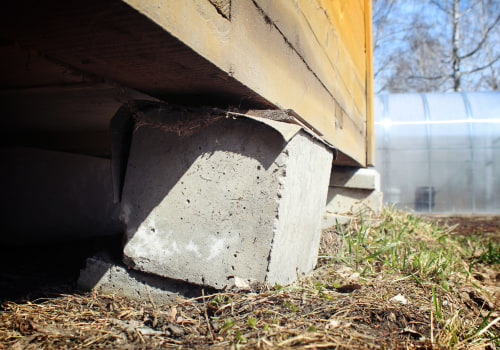
One of the most significant factors affecting pier and beam foundations is the condition of the soil beneath the structure. Expansive clay soils, poor drainage, prolonged drought, or excessive moisture can all cause the ground to shift, expand, or settle unevenly. As soil movement occurs, the piers supporting the structure may no longer distribute loads evenly, placing additional stress on beams, joists, and other structural components. Even small changes beneath one section of the home can create noticeable differences in floor elevation throughout the building. Structural engineers carefully evaluate how loads are transferred through the framing system to identify whether movement is isolated or affecting the overall structural balance. Companies such as Open Concept Engineering understand that successful foundation repair requires more than replacing damaged components. Careful structural analysis helps determine how the entire foundation system interacts with surrounding soil conditions, ensuring repairs improve both stability and long-term performance rather than providing only temporary relief.
Moisture Management Plays a Critical Role
Moisture is another overlooked factor that significantly influences the condition of pier and beam foundations. Excessive water beneath the home can soften supporting soils, promote wood deterioration, encourage mold growth, and accelerate corrosion of metal connectors. Conversely, prolonged dry conditions may cause soil shrinkage that leaves foundation supports with reduced bearing capacity. Plumbing leaks beneath the crawl space, poorly directed roof runoff, clogged gutters, or inadequate site drainage can all contribute to moisture imbalances that affect structural performance over time. Proper foundation repair often includes improving drainage, correcting water management issues, and restoring consistent moisture conditions around the structure. Without addressing these contributing factors, even well-executed repairs may experience recurring movement because the underlying environmental conditions remain unchanged. Evaluating moisture alongside structural conditions allows repair strategies to provide more durable and reliable results.
Comprehensive Planning Creates Lasting Repairs
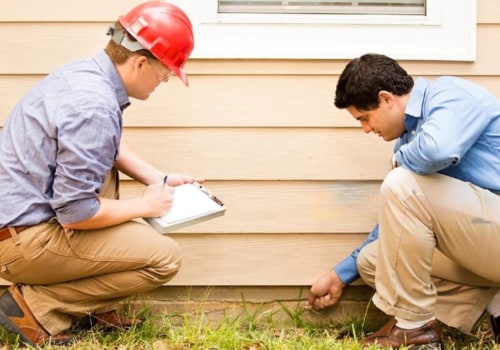
Effective pier and beam foundation repair depends on understanding how every structural component works together as a complete system. Piers, beams, joists, subflooring, crawl space ventilation, drainage systems, and surrounding soils all influence the performance of the foundation over its lifespan. Professional assessments help identify deteriorated materials, improperly supported beams, inadequate pier spacing, or structural modifications made during previous renovations that may have altered original load paths. Careful planning also allows contractors to coordinate repairs without creating unnecessary stress on adjacent structural elements. By approaching foundation repair with a comprehensive understanding of the building rather than focusing only on isolated symptoms, homeowners benefit from repairs that improve structural stability, reduce future maintenance needs, and extend the life of the property. Recognizing the overlooked structural factors that influence pier and beam foundation performance helps property owners make informed decisions that protect both their investment and the long-term integrity of their homes, ensuring that repairs address the true source of the problem while supporting safe and dependable building performance for years to come.